Custom product development

Custom Snow Globes
for Your Next
B2B Project.

Start with your scene, artwork or product reference. Bring product details, quality requirements and packaging into one clear project brief.
SCENE / GLOBE / BASE / FINISH / PACKAGING
01 / Define the product

A Small Scene.
Many Design Decisions.

Use the product brief to describe what should be seen, held and presented.
01 / SCENE

The story inside

Artwork, figures, setting and the details that matter most.
02 / GLOBE

Overall proportions

Target dimensions and the relationship between globe and scene.
03 / LIQUID EFFECT

The visual effect

Describe the intended look for project-specific feasibility review.
blank
04 / BASE

Shape & profile

Base proportions, sculpted elements and product balance.
05 / BRANDING

Color & artwork

Reference colors, logo placement and the intended finish
06 / PACKAGING

Presentation & fit

How the product should be displayed, protected and packed.
02 / Sample development

Turn the Scene
Into a Shared Standard.

A sample is the working reference for the scene, base, finish and agreed product requirements.
01 / BRIEF

Define the Scene

Identify dimensions, visual details and intended use.
02 / REVIEW

Discuss the Risks

Review component fit, liquid appearance and fragile features.
03 / APPROVAL

Record the Reference

Link feedback and decisions to a sample version.
HANDOVER

Carry It Forward

Use agreed criteria when planning production checks.
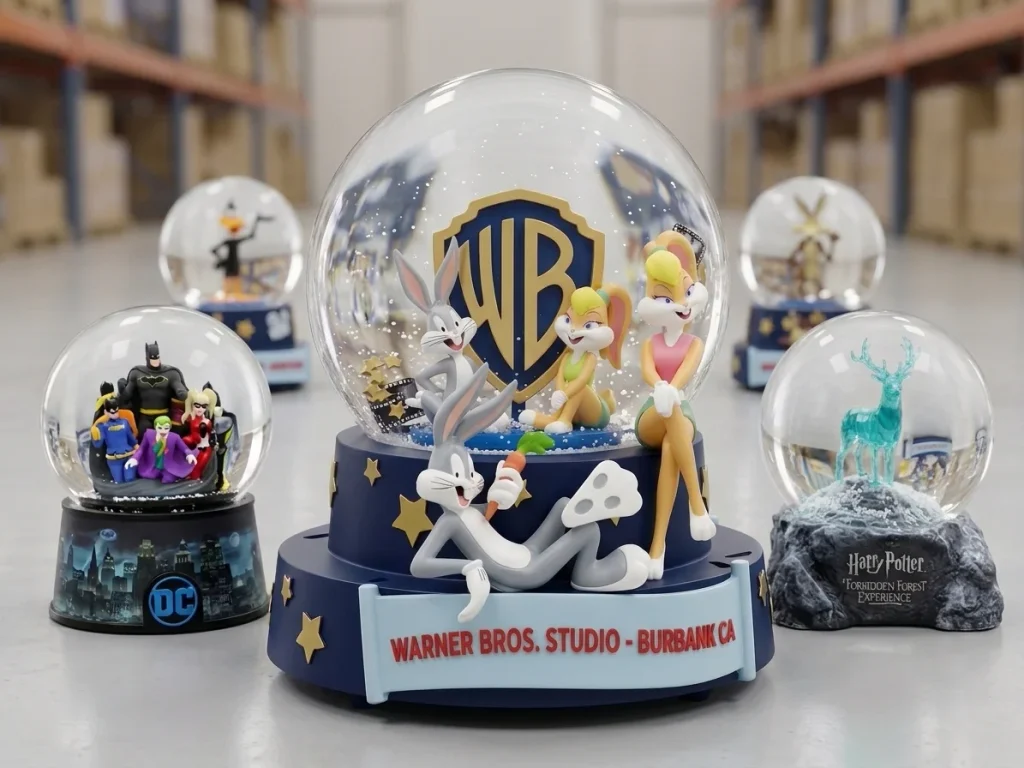
03 / CUSTOM SNOW GLOBE COLLECTION

Find a Starting Point for Your Custom Snow Globe Project.

Explore different snow globe designs and product directions. Select a product to view more details, then adapt the concept to your own artwork, theme and project requirements.

04 / Snow globe quality checkpoints

From Components
to a Ready-to-Ship Globe.

Connect each stage with the product details it needs to control and the record it should leave.
blank
blank
STAGE

Incoming Components

Assembly & Liquid

Finished Product

Packing & Release

WHAT IS REVIEWED
Globe and base specifications, visible condition and component identity.
Scene position, part fit, liquid appearance and agreed sealing checks.
Sample comparison, visible bubbles, finish and agreed product criteria.
Insert fit, orientation, accessories, carton identification and release conditions.
RECORD TO CONNECT
Incoming check and material or component reference.
In-process findings and nonconforming-item status.
Final inspection against the approved reference.
Packing check and outgoing review.
Specific methods, check frequency and acceptance criteria are agreed for the project.
blank
05 / Packaging context

Design the Unboxing.
Define the Protection.

Consider the globe and its packaging together, from the product fit to the intended presentation.

01. Product Fit

Describe the support and clearance to be reviewed around the globe and base.

02. Presentation

Bring the box format, artwork and opening experience into the brief.

03. Delivery Context

Agree the packing configuration and any verification needed for the project.
06 / Work you can follow

A Product Check.
A Record Behind It.

blank
DAILY WORK / PRODUCT VERIFICATION

Show the Check in Context

Use a close-up of the actual feature under review, with the relevant sample or check criterion beside it.
Make the actual inspection point, its reference and the follow-up understandable.

SNOW GLOBE CHECK RECORD

STRUCTURE EXAMPLE
Product / batch [Actual reference]
Checkpoint [Feature / method]
Acceptance basis [Approved criterion]
Observed result [Actual finding]
Disposition [Release / hold / review]
Owner / date [Actual record]

A Concern Should Have a Next Step.

Identify the affected items, review the cause and verify the agreed corrective action.
07 / Snow globe questions

Before You
Send the Brief

Questions to clarify for a custom snow globe project.
What can I include in a custom snow globe brief ?

Share references for the scene, globe proportions, base, colors and packaging. List any feature that needs a separate feasibility review.

Can I start with artwork or reference images ?

Use the material you have to explain the idea. Add key dimensions, intended use and the details you want the sample to represent.

What should be approved on the sample ?

Define the scene, proportions, visible finish and any functional points that require confirmation. Record the sample version and feedback.

How are quality checks and findings recorded ?

Connect the agreed inspection point to its product or batch reference, criterion, finding and follow-up. Discuss the required scope and reporting format before the relevant work.

What affects MOQ and project timing ?

The MOQ is usually 500 units per design. AND Sample time is 8days to 10days , Mass production is 20days to 22days .

What happens if a quality issue is found ?

The affected scope is reviewed, the issue is contained and the next action is documented. An 8D report can support issues requiring a structured root-cause investigation.

08 / Your snow globe project

Share the Scene
You Have in Mind

A clear starting point makes the next conversation more useful.
01 Scene or artwork
A sketch, reference or visual direction.
02 Project scope
Quantity, size, timing and packaging ideas.
03 Open questions
Critical features, inspection expectations or required reports.
Product Type is preselected for this page and can be changed.